
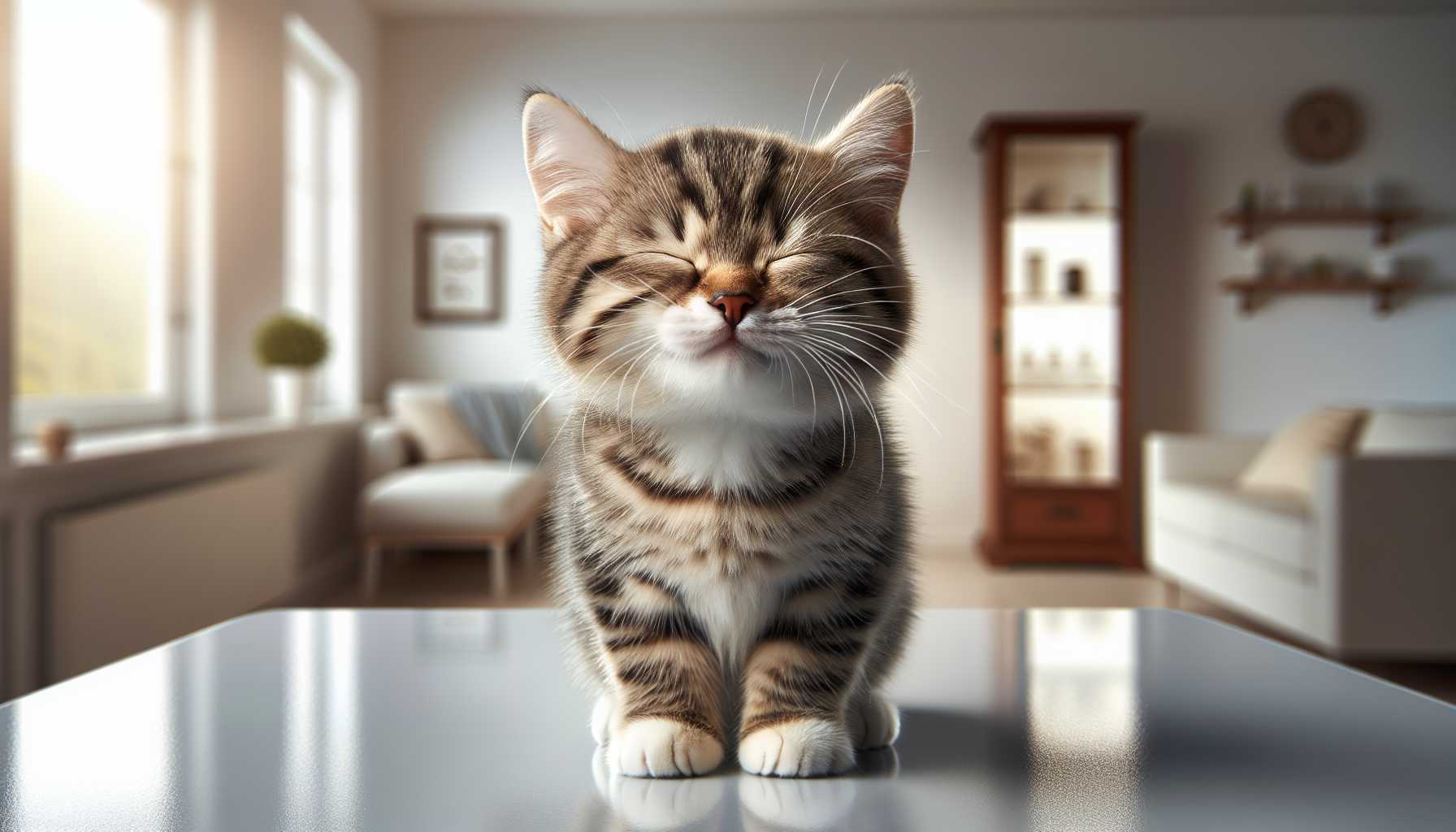
Have you ever heard a darling “achoo” from your fur-covered companion? Although a cat’s sneeze may seem cute, it could signify an issue that requires your attention. Let’s delve into the area of feline respiratory health together!
Reasons Why Cats Sneezes
Similar to us, cats sneeze to cleanse their nasal tracts. This behaviour is a natural reaction of the body that means “something is bothering me!” This is often caused by:
- Dust or domestic cleaning products
- Fragrances and air fresheners
- Seasonal allergies
- Excitement or physical exertion
- A change in cat litter
When to Pay Attention?
While sporadic sneezing is regular, these signs may need further care:
- Frequent sequences of sneezes
- Coloured mucus from the nose
- A drop in appetite
- Fatigue or diminished activity levels
- Teary eyes
- Difficulty while breathing
Cats’ Typical Respiratory Issues
Upper Respiratory Illnesses
Consider these as akin to a feline’s common cold! Usually, they occur due to viruses and are communicable among cats. Standard symptoms encompass:
- Sneezing
- Runny nose
- Coughing
- Fever
- Lessened appetite
Allergies and Environmental Influences
Cats could demonstrate sensitivity to elements such as:
- Pollen
- Mould
- Secondhand cigarette smoke
- Harsh cleaning supplies
- Particular brands of cat litters
Solutions to Consider
Domestic Care Suggestions
- Maintain cleanliness of their nose using a warm, damp cloth
- Make use of a humidifier
- Ensure their water intake is sufficient
- Serve them warm, fragrant food to stimulate eating
When to See a Vet
Seek professional medical aid if sneezing lingers for more than some days or if it is followed by:
- Challenges in breathing
- Lack of appetite for beyond 24 hours
- Discharge that is coloured or blood-stained
- Signs of fatigue or depression
Preventive Measures
To keep your cat healthy, remember to:
- Carry out regular vet inspections
- Keep their vaccinations up-to-date
- Keep their surroundings clean
- Use cleaning items that are safe for pets
- Minimize stress triggers
Conclusion
Although the majority of cat sneezing is harmless, recognizing when to call for help is vital. Trust your observations – you understand your furry buddy better than anyone else! If uncertain, it’s always sensible to consult with a veterinarian.
Keep in mind, every cat is different, and what is run-of-the-mill for one may not be for another. Maintain a keen watch on your pet’s regular behaviour and make a note of any prominent shifts.
In need of more guidance? Always remember your veterinarian is your most reliable source for specific health queries about your cherished feline pal.
Noticed your cat sneezing off late? Feel free to share your experience in the comments below!
[Engagement prompt: Subscribe now to our newsletter for more helpful pet health information and updates!]