
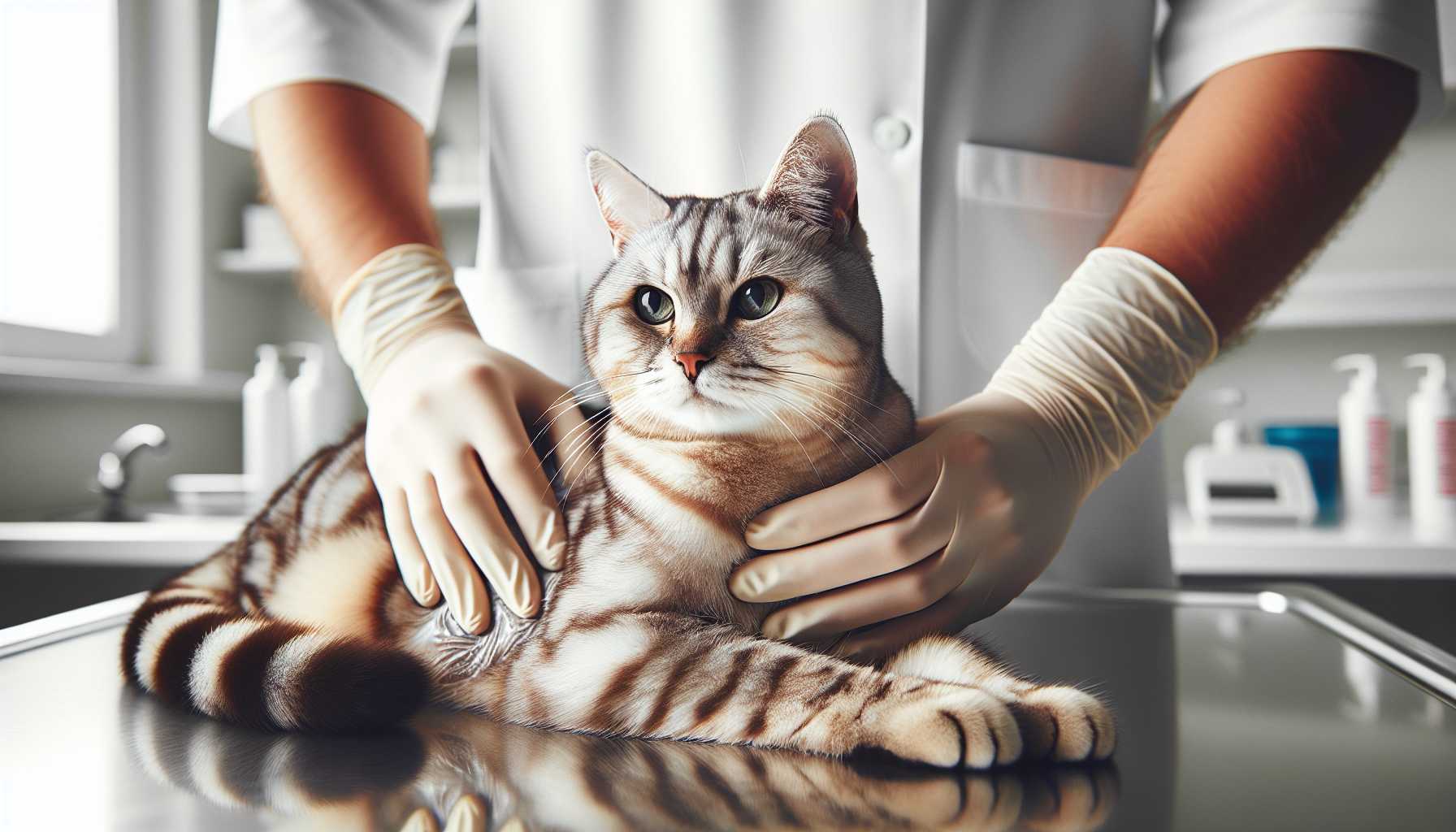
Is your feline friend scratching more than usual? You’re not alone! Many cat owners deal with the common struggles of skin conditions in cats. In this comprehensive guide, we provide everything you need to know about maintaining your kitty’s skin health effectively.
Typical Skin Issues in Cats
Our lovely companions often experience different skin ailments. Some of the most encountered include:
- Allergic dermatitis
- Ringworm
- Allergies to fleas
- Hot spots
- Bacterial skin infections
- Food allergies
Spotting the Symptoms
Keep an eye out for these noticeable symptoms:
– Frequent scratching
– Losing fur
– Skin appearing red and bothered
– Scabs or crusted patches
– Alterations in fur texture
– Persistent grooming
Suggestions on Home Care
Here are a few steps to aid your furry friend:
- Frequent grooming using brushes designed for cats
- Application of pet-friendly moisturizing wipes
- Incorporating omega-3 supplements into their meals
- Keeping their living environment tidy
- Opting for hypoallergenic cat shampoos
When It’s Time for a Vet Visit
Never disregard these signs:
– Over-scratching leading to injuries
– Major areas of hair loss
– Display of pain or discomfort
– Skin appearing infectious
– Behavioral alterations
Proactive Measures
Here’s how you can help to keep your cat’s skin in great shape:
- Scheduled flea treatments every month
- Regular appointments with the vet
- A balanced, superior-quality diet
- Regularly cleaned litter boxes and bedding
- Techniques for reducing stress levels
Natural Treatment Options
Consider these gentle, natural alternatives:
- Coconut oil (only for topical use)
- Pet-safe aloe vera gel
- Diluted apple cider vinegar
- Soaking in an oatmeal bath
- Chamomile compresses
Treatment Options Provided by Your Vet
Your vet may suggest:
– Using medicated shampoos
– Prescribing oral medications
– Topical solutions
– Testing for allergies
– Changing the diet
Remember, what works for one cat might not be suitable for another. It’s always better to consult with your vet before beginning any new treatment procedure.
In Conclusion
It needn’t be complicated to keep your cat’s skin healthy. With regular attention and care, and taking proactive measures, most skin problems can be efficiently managed. Your dear feline friend deserves to feel at ease in their own coat!
If you’d like to learn more about maintaining your cat’s health, consider joining our pet parent community or subscribing to our newsletter for weekly tips and helpful advice.