
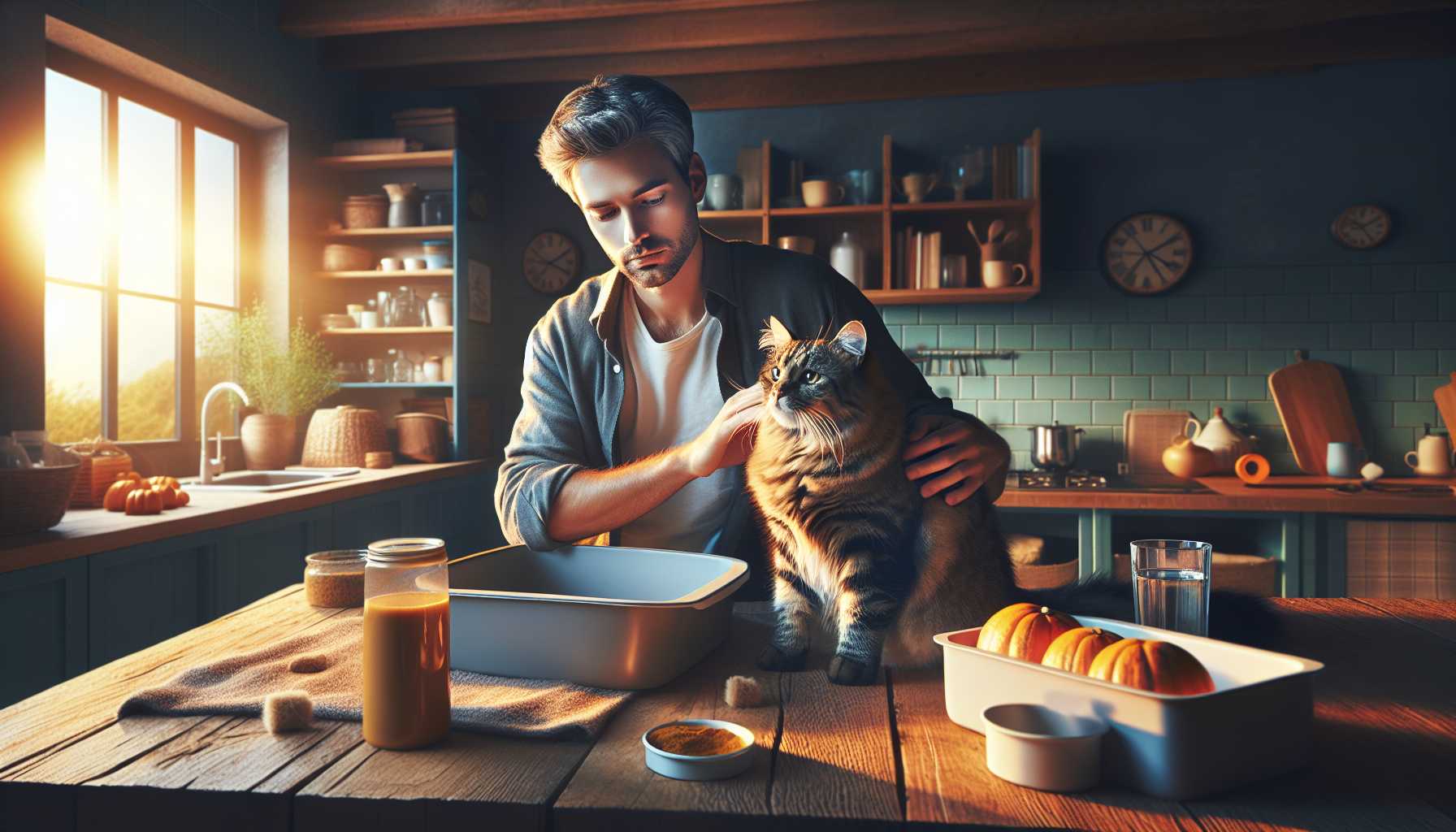
Does your fluffy feline companion seem uncomfortable while using the litter box? Don’t worry, this is quite a common problem! Here’s a discussion on feline constipation and some natural ways to provide your cat with relief.
Understanding the Reasons behind Cat Constipation
Just like us humans, cats can also experience digestive disturbances due to various reasons. Most commonly, these include:
- Inadequate water consumption
- Diet low in fiber
- Insufficient physical activity
- Hairball obstructions
- Emotional stress and anxiety
- Avoidance of using the litter box
Detecting Signs of Cat Constipation
Look out for these unmistakable indications:
- Difficulty while in the litter box
- Passing small, firm stools
- Loss of appetite
- Abdominal discomfort
- Infrequent bathroom use
- Meowing in distress when using the litter box
Natural Ways to Prevent Constipation
Here are some simple steps to ensure your cat’s digestive regularity:
- Distribute water bowls in various locations around your house
- Consider a pet water fountain for encouraging hydration
- Maintain pristinely clean litter boxes
- Foster active play and physical exercise
- Regularly groom your cat to avoid hairball formation
Non-Invasive Home Remedies
Consider these soft approaches for alleviating constipation:
- Mix a teaspoon of unadulterated pumpkin puree in their food
- Add a hint of olive oil to their meals
- Temporarily transition them to wet food
- Introduce pet-friendly probiotics
- Incorporate fiber-rich foods to their diet
When to Consult a Vet
At times, natural remedies might not suffice. Reach out to your vet should the following occur:
- Constipation persists beyond 48 hours
- Your cat exhibits signs of distress or discomfort
- Presence of blood in the cat’s stool
- Complete absence of appetite
- Frequent instances of vomiting
Daily Habits for Avoiding Constipation
Keep your cat’s digestive system active with these everyday routines:
- Develop consistent feeding schedules
- Regularly clean the litter box
- Keep track of your cat’s water drinking habits
- Shower your cat with affection and cuddles
- Monitor changes in the cat’s bathroom habits
Remember, each cat’s metabolism is different! What works for one may not work for all. Always gradually implement changes and closely observe the response of your cat.
Concluding Thoughts
Experiencing constipation is unpleasant for everyone, including our adorable feline friends. Using these natural remedies and precautionary measures, you can help keep your cat’s digestive system comfortable and regular. Stay patient and be consistent with your approach while always being ready to get in touch with the vet if you have any worries.
For regular updates about cat care and wellbeing strategies, don’t forget to follow us! Through it all, we’re here to ensure you can give your cat the happiest and healthiest life possible.