
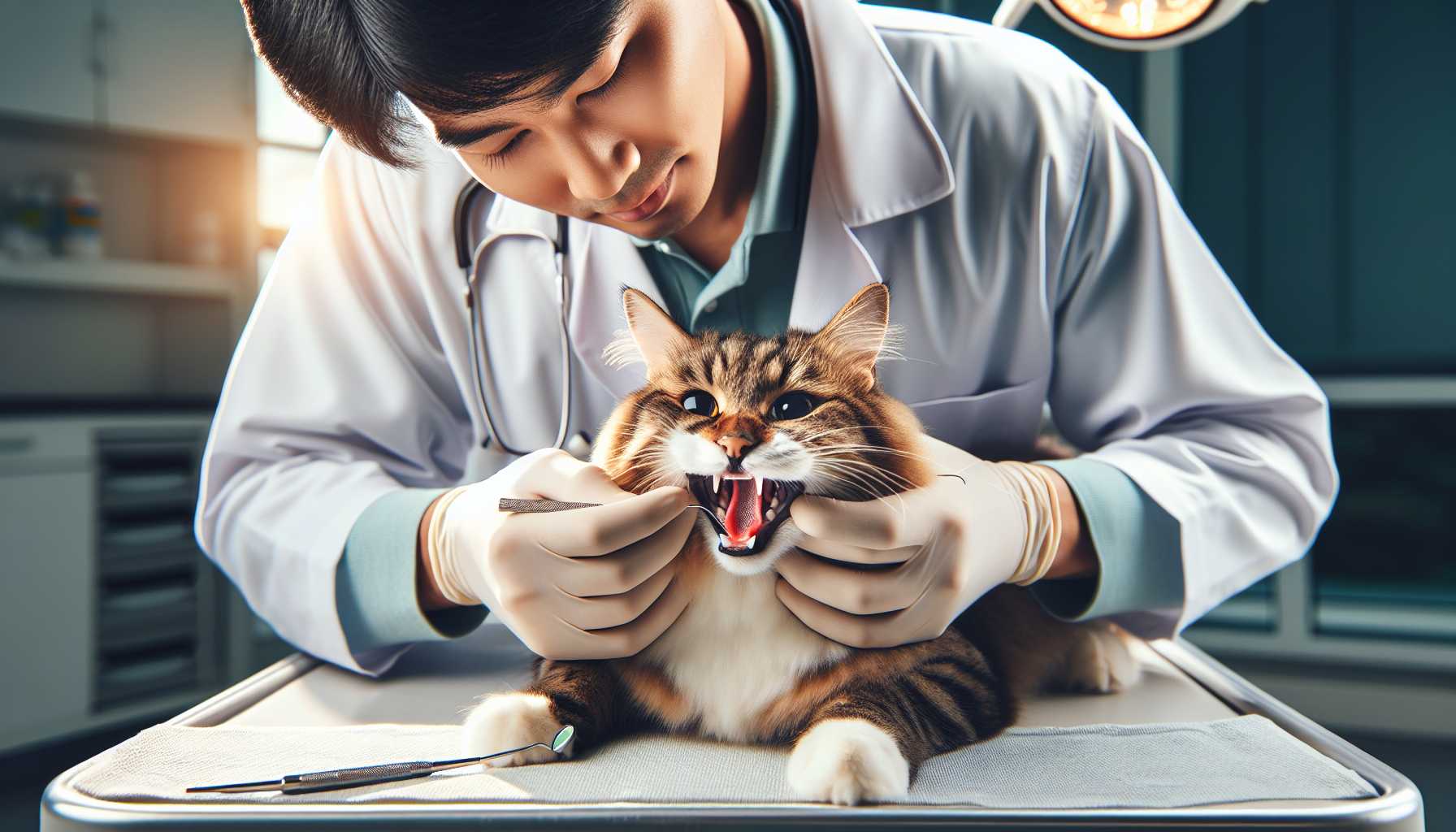
Have you noticed a change in your feline friend’s eating habits? These alterations might be tied to a prevalent and painful dental concern associated with cats, known as tooth resorption. This guide explains all that cat owners need to understand about this dental problem.
Understanding Cat Tooth Resorption
Imagine tooth resorption as your feline’s body wrongfully deconstructing the integrity of their tooth, starting at the gum line and gradually eroding into the core of the tooth. Unfortunately, around 30-40% of adult cats are affected by this issue.
Recognizing Tooth Resorption in Your Cat
Your cat can’t express their pain verbally, but will show indications through these physical cues:
- Struggling to eat or dropping food
- Excessive drooling
- Shaking of the head when eating
- Showing a preference for soft food over dry food
- Bleeding gums
- Noticeable red spots on their teeth
Root Causes
The exact cause remains unclear, but veterinarians have identified several risk factors:
- Ageing (the problem is more prevalent in older felines)
- Neglecting dental hygiene
- Dietary and nutritional habits
- Issues with the immune system
- Genetic factors
Preventive Measures
Here’s how you can ensure your feline maintains optimum dental health:
- Brushing their teeth regularly
- Feeding them dental-friendly dry food
- Making sure they have an annual veterinary check-up
- Giving them vet-approved dental treats
- Ensuring a constant supply of fresh water
Treatment Alternatives
In the case of tooth resorption, a vet may suggest:
- Extracting affected teeth (most common)
- Performing crown amputation in specific instances
- Managing pain
- Conducting post-operative care and monitoring
Post-Treatment Life
Cats often recuperate swiftly after treatment, and owners usually observe:
- Increased appetite
- Improved mood
- More playful behavior
- Easier time eating
- Reduction in drooling
When to Consult a Vet
It’s crucial to seek professional help if you observe:
- Altered eating habits
- Visible tooth damage
- Increased drooling
- Indications of distress when eating
Assisting With Your Cat’s Recovery
You can support your feline’s recovery process by:
- Following prescribed medication routines
- Providing softer food options.