
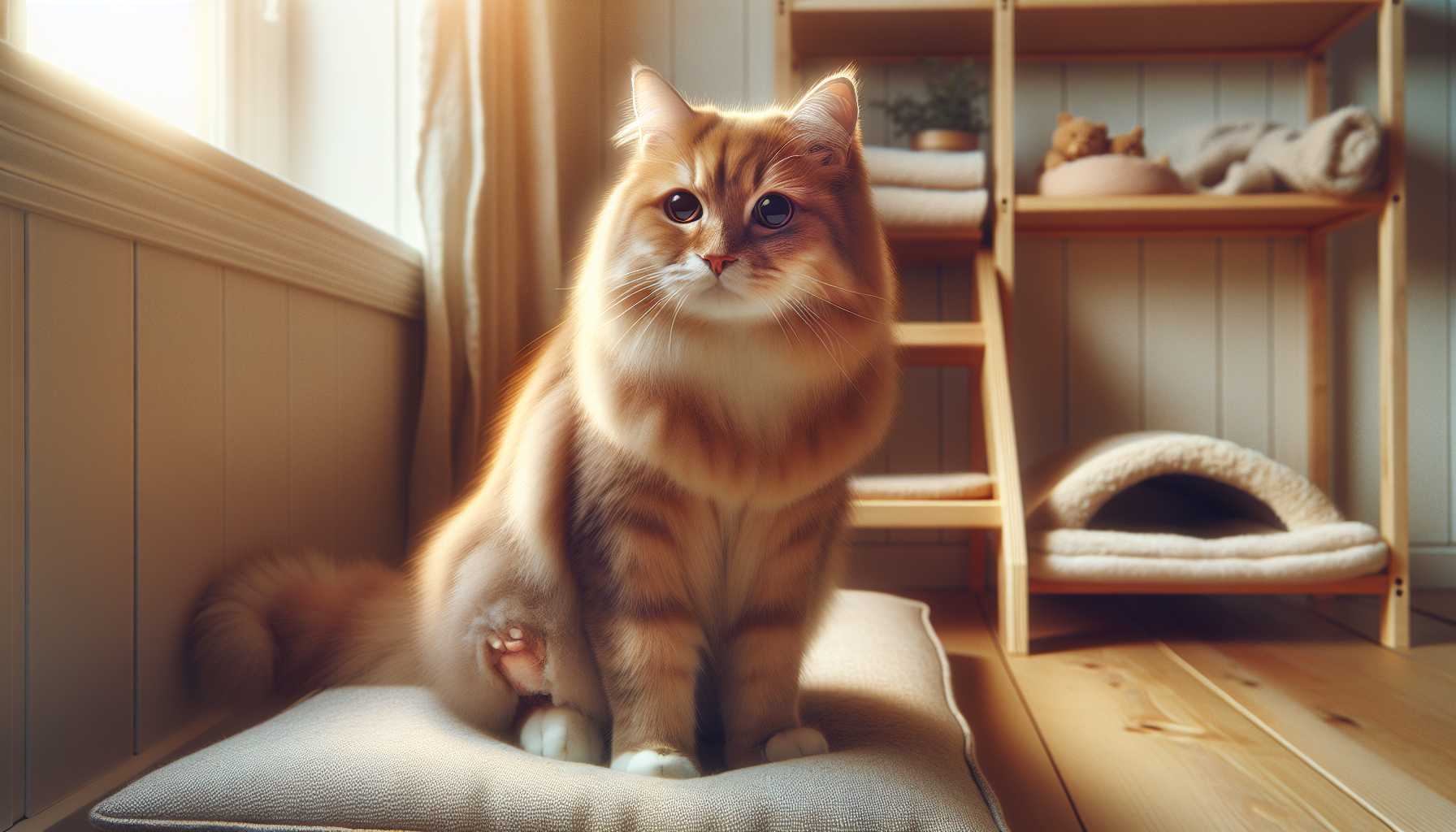
Is your fuzzy pal struggling to leap onto their once-frequented windowsill perch? Your cat might be experiencing hip dysplasia. Here’s some information to understand this condition better and help your furry friend live a healthier life.
What Does Hip Dysplasia Mean for Cats?
Hip dysplasia in cats is a condition where their hip joint fails to align correctly. Picture it as a ball and socket that don’t neatly correlate due to their reviews sizes. This condition could result in pain and difficulty moving for your kitty.
What are the Early Indicators of Cat Hip Dysplasia?
Take note of the following common signs:
– Avoidance of jumping or climbing
– Unusual limping or walking style
– Reduction in activity
– Challenges when using the litter box
– Sensitivity or irritation when their hip area is touched
What Are the Risk Factors?
Certain cats have a higher likelihood of developing hip dysplasia:
– Larger felines like Maine Coons
– Cats carrying extra weight
– Cats with a genetic susceptibility
– Older cats
How Is It Diagnosed?
Here’s what a veterinarian would typically do:
– Conduct a physical examination
– Utilize X-rays to view the hip joints
– Assess your cat’s movement capabilities
– Go through their medical background
What Are the Available Treatment Options?
Each feline is distinct and the treatment strategies will differ:
Non-invasive Management
- Supervising and maintaining an ideal weight
- Encouraging light exercise
- Using joint supplements
- Administering pain relief when required
Medical Intervention
- Physical therapy sessions
- Acupuncture treatments
- Prescription of anti-inflammatory drugs
- Introduction of joint fluid modifiers
Surgical Alternatives
- Full hip replacement operation
- Femoral head ostectomy procedure
- Joint fusion surgery (in extreme cases)
How to Care for a Cat with Hip Dysplasia?
Help your cat in these ways:
– Arrange easy and direct access to preferred locations
– Offer bedding that is soft and cozy
– Set up ramps or steps for assistance
– Help them remain at a healthy weight
– Ensure they are warm and comfortable
Any Preventive Measures?
Though some cases are hereditary, you can:
– Monitor your cat’s weight
– Encourage regular physical activity
– Provide a balanced diet
– Regular veterinary consultations
When to Consult a Veterinarian?
Don’t delay if you notice:
– Abrupt changes in their ability to move
– Apparent signs of discomfort or pain
– Struggling with routine tasks
– Altered behaviour
Your Involvement in Their Recovery
Remember, you play the central role in your cat’s journey to recovery. Remain patient and affectionate during their healing process.