
SEO Slug: bonded-cat-pairs-anxiety-companionship-reduces-stress
Focus Keyphrase: bonded cat pairs and anxiety
Meta Description: Learn how bonded cat pairs may help reduce stress and anxiety in some cats. Discover the role of feline companionship, signs of a bonded pair, and what to know before adopting two cats together.
Cats are often described as independent, mysterious, and a little aloof. While that can be true, it is only part of the picture.
Many cats are social in ways people do not always expect. Some form very close relationships with other cats and seem more relaxed, confident, and secure when they have a trusted companion nearby. For these cats, companionship can play an important role in emotional wellbeing.
If you have ever wondered whether your cat feels lonely, stressed, or unsettled, it is worth understanding how bonded cat pairs work and why keeping the right cats together can matter so much.
What Is a Bonded Cat Pair?
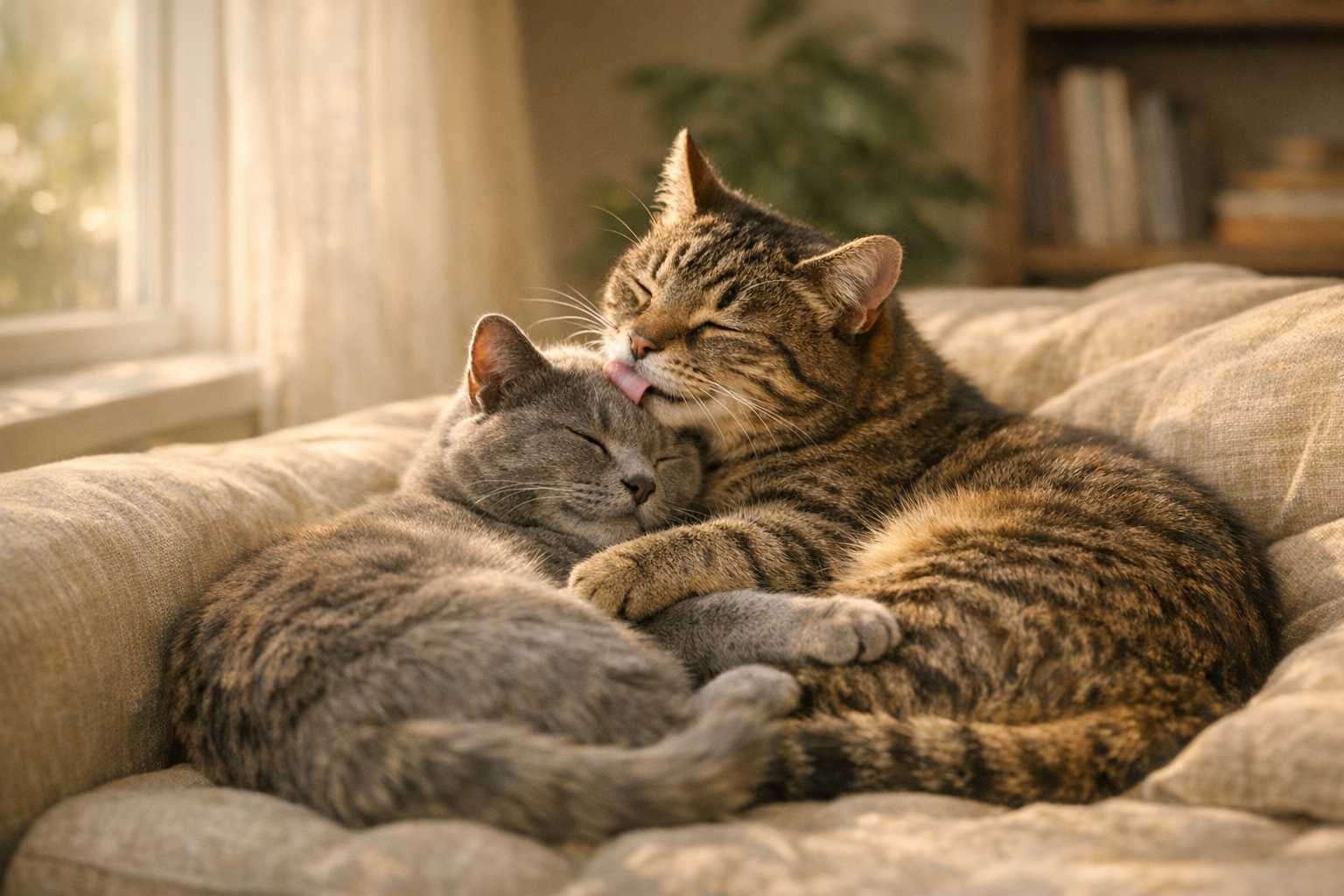
A bonded cat pair is two cats that have formed a strong social attachment. They are more than housemates who simply tolerate one another. They actively seek each other out for comfort, rest, grooming, or play.
Common signs of a bonded pair include:
- Sleeping close together
- Grooming each other
- Playing together regularly
- Following one another around
- Showing distress when separated
These bonds often develop between:
- Littermates raised together
- Cats introduced at a young age
- Cats who have lived together for a long time
- Rescue or shelter cats who found security in each other during stressful experiences
Not every pair of cats living in the same home is bonded. Some coexist peacefully without depending on each other emotionally. A truly bonded pair usually shows a clear preference for each other’s company.
Can Cats Experience Anxiety?
Yes, cats can experience anxiety, fear, and chronic stress.
Cats are highly sensitive to changes in their environment and routine. A move, a new pet, unfamiliar visitors, loud sounds, boredom, conflict with another animal, or being left alone for long periods can all affect how secure a cat feels.
Signs of anxiety in cats may include:
- Hiding more than usual
- Changes in appetite
- Over-grooming or fur loss
- Increased vocalization
- Litter box problems
- Restlessness or hypervigilance
- Aggression or irritability
- Withdrawal or reduced interest in play
These behaviors are not simply “bad habits” or personality quirks. They can be signs that a cat is overwhelmed, uncomfortable, or not coping well.
That said, anxiety is not always caused by loneliness. Medical issues, pain, environmental stress, and social conflict can look very similar. If your cat’s behavior changes suddenly, a veterinary checkup should come first.
How Companionship May Reduce Stress in Cats
For the right cats, companionship can be calming and protective. A trusted feline companion may help reduce stress in several ways.
Social Bonding Can Promote Relaxation
When bonded cats sleep together, groom each other, or rest in close contact, those interactions appear to support a sense of safety and social comfort.
Mutual grooming, also called allogrooming, is a well-known affiliative behavior in cats. It helps reinforce social bonds and may have a soothing effect, much like other forms of calm social contact do in mammals.
While people often describe this in terms of “love hormones,” it is best to be careful about overstating the science. We do know that positive social interaction can help reduce arousal and support emotional stability. In simple terms: cats that trust each other often help each other feel more at ease.
A Familiar Companion Can Increase a Sense of Security
Cats are both predators and prey, which means they are naturally alert to possible threats. A familiar companion can make the environment feel more predictable and less threatening.
A bonded cat may feel safer resting, exploring, or sleeping when their trusted partner is nearby. That sense of social security can be especially important during stressful events like moving house, adjusting to a new home, or hearing loud noises.
Shared Play Can Ease Tension and Boredom
Play is an important outlet for many cats, especially younger ones. Bonded cats often initiate games with each other in ways that people cannot fully replicate.
Chasing, wrestling, stalking, and pouncing can provide:
- Physical exercise
- Mental stimulation
- Relief from boredom
- An outlet for energy
This does not mean cats should be left to rely only on each other for enrichment. They still need toys, climbing space, and positive interaction with people. But for many pairs, shared play is one more way companionship supports emotional health.
Companionship May Help With Time Alone
Many cats spend long stretches of the day at home while their humans are away. Some handle this well. Others seem to become bored, stressed, or unusually needy.
A bonded companion can provide social contact during those quiet hours. Resting together, watching the window, or simply sharing space may help some cats feel less isolated.
However, it is important to note that getting a second cat does not automatically solve separation-related stress. In some cases, adding another cat can increase tension if the match is poor. Compatibility matters more than numbers.
Do All Cats Need Another Cat?
No. This is one of the most important points to understand.
Some cats thrive as the only pet in the home and prefer not to share their space. Others enjoy company but are selective about which cats they accept. And some are clearly happier with a feline companion, especially if they were raised with one or have already formed a strong bond.
A second cat should never be adopted simply because people assume all cats are lonely on their own. The better question is: Would this specific cat benefit from companionship, and is there a suitable match?
Cats most likely to benefit from a companion may include:
- Kittens who are highly social and playful
- Young cats with lots of energy
- Cats already living successfully with a close feline friend
- Cats who have lost a bonded companion
- Cats with a documented history of enjoying other cats
Cats less likely to want a companion may include:
- Older cats who have always lived alone comfortably
- Cats with a history of territorial aggression
- Cats who become stressed around other animals
- Cats who have repeatedly failed to integrate with feline housemates
Signs Your Cat Might Benefit From a Companion
There is no single behavior that proves a cat needs a friend, but some patterns may suggest that companionship could help.
Possible signs include:
- Excessive attention-seeking when you are home
- Vocalizing or pacing when left alone
- High energy with too little appropriate outlet
- A history of living happily with another cat
- Noticeable decline after losing a feline companion
- Boredom-related behaviors despite good enrichment
Even then, adoption should be approached thoughtfully. Sometimes the answer is more play, more climbing opportunities, a better routine, or treatment for an underlying medical or behavioral issue, not necessarily a second cat.
What Happens When Bonded Cats Are Separated?
When a truly bonded pair is separated, the effects can be significant. Some cats show clear signs of distress, including:
- Searching for the other cat
- Calling or vocalizing more
- Loss of appetite
- Hiding
- Withdrawal
- Increased anxiety-related behaviors
Not every cat will respond the same way, and the intensity can vary. But shelters, rescues, and foster caregivers frequently observe that separating bonded cats can be emotionally disruptive.
That is why many organizations insist that bonded pairs be adopted together. In these cases, keeping them together is not just sentimental. It may be the option that best protects their welfare.
Adopting a Bonded Pair: What to Know
If you are considering adopting two cats who are already bonded, that can be a wonderful choice.
They May Adjust Better Together
A new home is a major transition. For bonded cats, having their familiar companion nearby can make that change feel less overwhelming. They already have a source of reassurance with them.
Their Relationship Is Already Established
One major advantage of adopting a bonded pair is that you are not trying to create harmony between two strangers. Their social connection already exists, which can reduce the uncertainty that sometimes comes with introducing unrelated adult cats.
Two Cats Are Not Always Twice the Difficulty
Two cats do mean additional costs, supplies, veterinary care, and litter box maintenance. So it is not accurate to say they are no extra work.
Still, bonded pairs may be easier in some ways than two incompatible cats or one under-stimulated cat. They can keep each other company, play together, and settle more naturally if their bond is strong.
Give Them Time and Space
Even close companions need a calm adjustment period after adoption. Set them up in a quiet room at first, provide hiding spots and vertical space, and let them explore gradually.
Keep routines predictable, and avoid forcing interaction. Their bond will help them, but they still need patience and stability from you.
How to Support the Mental Health of a Bonded Pair
If you live with a bonded pair, there are several ways to help them stay secure and comfortable.
Provide enough resources. Even bonded cats need choice. Offer multiple litter boxes, food and water stations, resting areas, scratching posts, and hideaways.
Create vertical territory. Cat trees, shelves, and window perches allow cats to observe their environment and avoid tension if they need personal space.
Keep routines consistent. Cats usually do best with predictable feeding, play, and quiet time.
Offer enrichment every day. Wand toys, puzzle feeders, scent enrichment, and climbing opportunities help prevent boredom and stress.
Watch for changes in the relationship. Even bonded cats can become strained if one develops pain, illness, or age-related behavior changes.
Do not punish anxiety-related behavior. Punishment often increases fear and can damage trust.
Work with a veterinarian when needed. Medical conditions can affect mood, grooming, appetite, and social behavior. If one cat suddenly becomes clingy, withdrawn, or irritable, get them checked.
A Gentle Reality Check About the Science
The idea that companionship reduces stress in cats is supported by animal behavior principles and by widespread observations from shelters, foster homes, and multi-cat households. Social support matters in many species, and cats are no exception.
At the same time, it is important not to oversimplify. Cats are individuals. Not every cat wants feline companionship, and not every pair relationship is healthy. The benefits of companionship depend on trust, compatibility, proper resources, and a low-stress environment.
So the more accurate message is this: bonded cat pairs can reduce anxiety in some cats, but companionship helps only when the relationship is genuinely positive.
The Bottom Line on Bonded Cat Pairs and Anxiety
Bonded cat pairs can offer each other comfort, security, stimulation, and stability. For some cats, that companionship clearly helps reduce stress and makes life feel safer and more predictable.
But a second cat is not a universal cure for anxiety. The goal is not simply to have two cats. The goal is to support the emotional needs of the individual cat in front of you.
If you are adopting from a shelter and come across a bonded pair, keeping them together can be one of the kindest choices you make. You are not just giving two cats a home. You are preserving a relationship that may be central to their wellbeing.
And if you already share your home with a bonded pair, chances are you have seen it for yourself: sometimes the best comfort a cat can have is another cat they trust.
If you are thinking about adopting a bonded pair, ask your local shelter or rescue how they identify bonded cats and what support the pair may need during the transition home.