
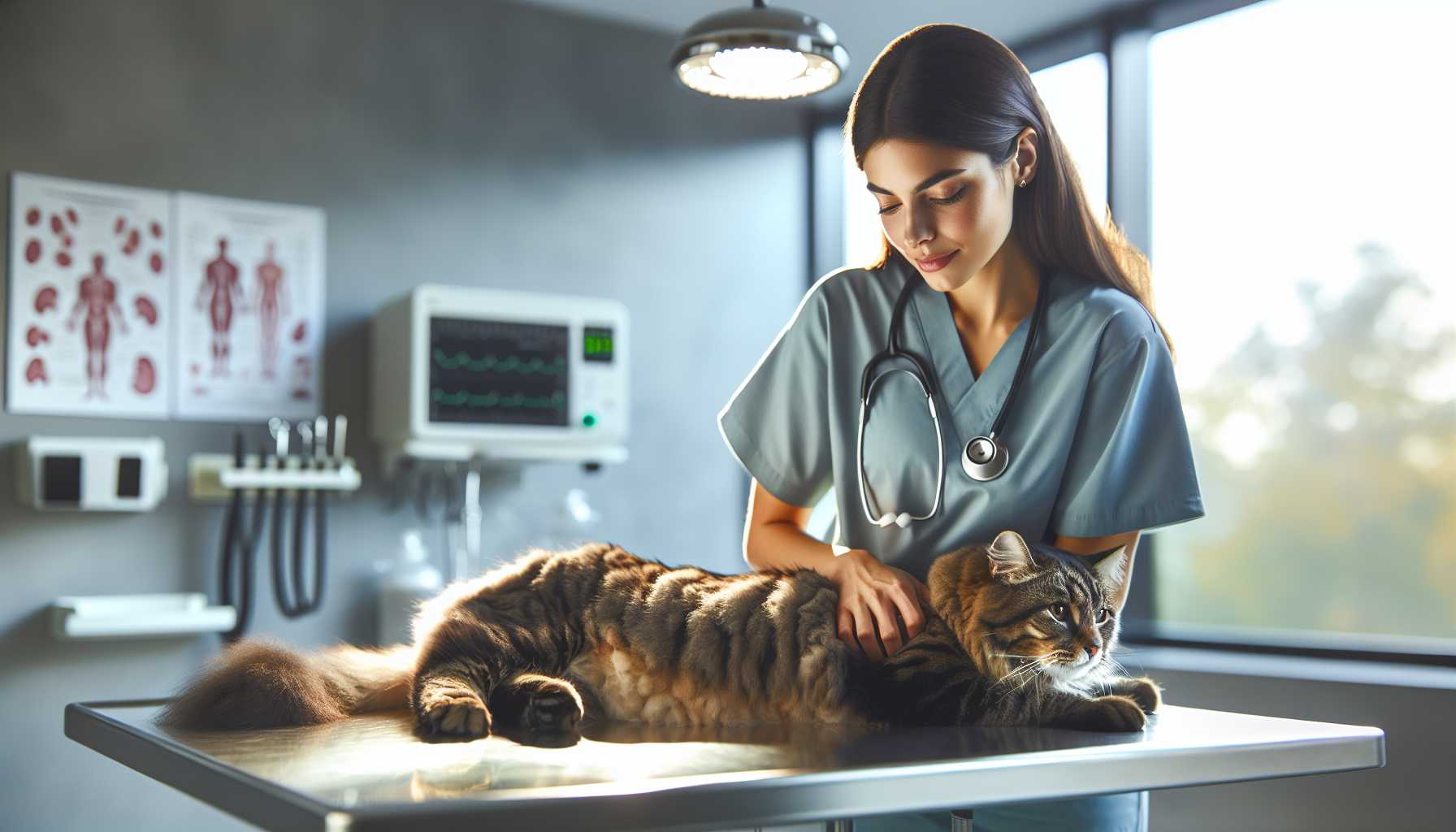
If concerns about your furry companion’s kidney status keep you awake at night, you’re not the only one. As a dedicated cat caretaker, it’s vital to be well versed with the functioning of their kidneys. Let’s delve deep into what you should know to keep these significant, bean-shaped organs in optimal health.
Getting to Know Your Cat’s Kidneys
The kidneys of your feline are incredible and perform multiple functions. They act as the body’s filtering system, regulate blood pressure, and help synthesize hormones. Consider them the built-in cleaning crew for your cat, tirelessly managing the body’s equilibrium round-the-clock.
Identifying Signs of Kidney Problems
Be vigilant and watchful for these telling signs:
– Increased water consumption
– Urinating more than usual
– Lack of appetite
– Unexplained lethargy
– Weight reduction
– Foul mouth odor
Proactive Steps for Prevention
Incorporate these measures to stay ahead:
– Ensure constant availability of clean water
– Provide high-quality food, specifically suited for kidney health
– Regular visits to the vet
– Keep tabs on litter box habits
– Manage weight effectively
Techniques for Testing and Monitoring
Your vet may recommend the following:
– Bloodwork
– Analysis of urine
– Blood pressure monitoring
– Ultrasound scans
– Frequent weight assessments
Dietary and Nutritional Recommendations
Focused nutrition can make a great difference:
– Foods low in phosphorus
– Regulated protein intake
– Wet food to promote hydration
– Omega-3 fatty acid-rich food
– Specialized kidney-care diet formulas
When to Seek Professional Help
Don’t hesitate to call the vet if you notice:
– Unexplained changes in behavior
– No food intake within a day
– Episodes of vomiting or diarrhea
– Difficulty while urinating
– Profound lethargy
Establishing a Consistent Monitoring Plan
Keep things simple by:
– Conducting weight checks every week
– Monitoring daily water intake
– Keeping tabs on food consumption
– Observing behavior changes
– Regularly visiting the vet
Life with a Kidney-Impaired Cat
Keep in mind, numerous cats lead joyous lives despite having kidney issues. The secret is:
– Providing consistent care
– Adherence to vet recommendations
– Creating a stress-free environment
– Showering your pet with affection and patience
Age’s Influence on Kidney Health
Senior felines require additional care:
– Regular check-ups become more crucial
– Adjustments in diet to suit age
– Suitable home adaptations
– Gentle physical activities
Building Your Support Network
Remember, there’s no need to face this alone:
– Foster an active relationship with your vet
– Participate in cat owner support communities
– Keep a list of emergency contacts
– Stay updated on new treatments
Remember, you are excelling as a cat parent by being vigilant about your pet’s health. Through disciplined monitoring and care, you can ensure your cat enjoys a joyous, long lifespan. Continue the awesome work, cat parent!