
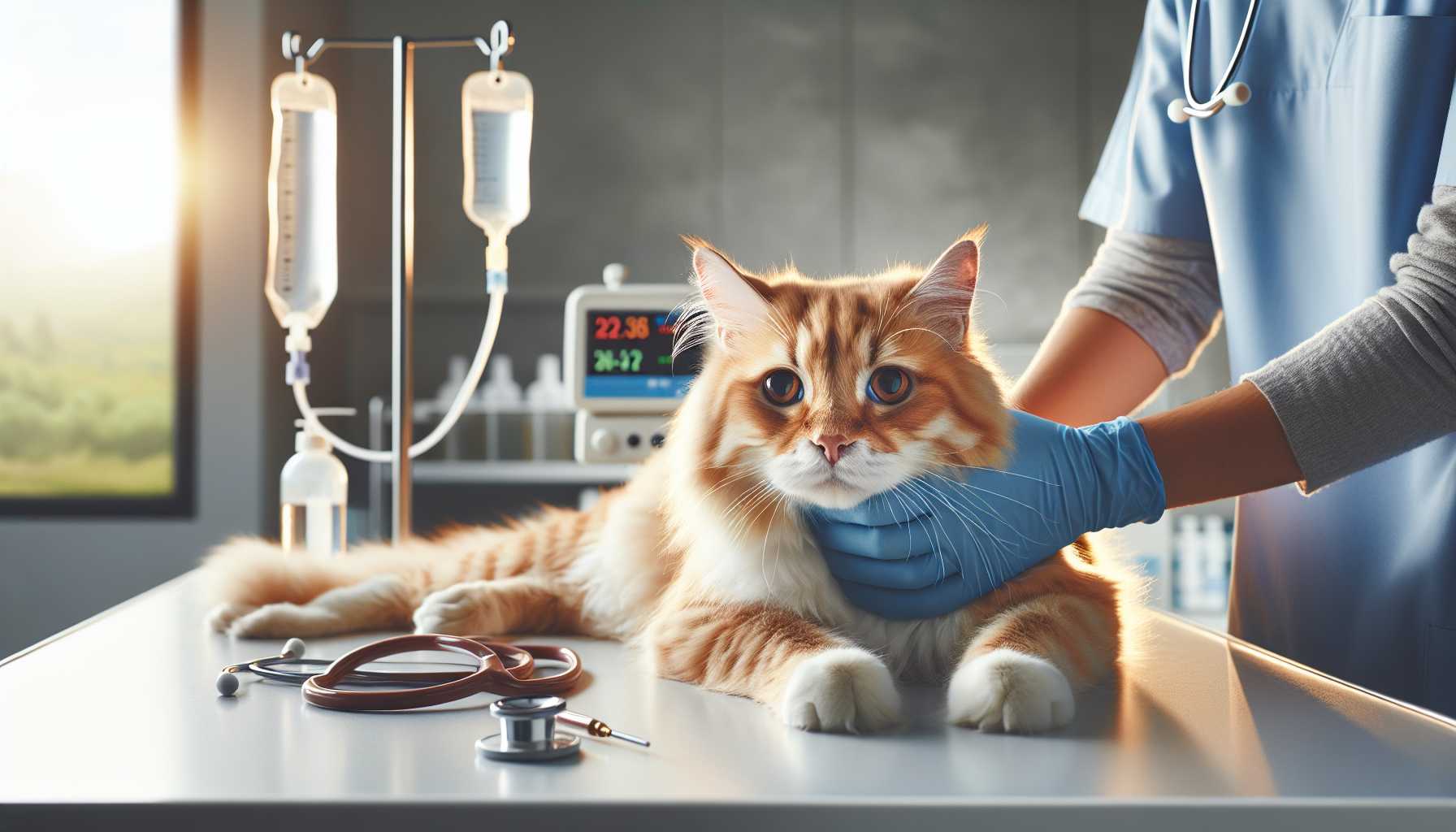
Is your feline pal not looking its usual self? Pancreatitis in cats can be quite daunting, but comprehension of this condition can aid in ensuring your kitty gets the medical attention needed. Let’s delve into the essentials of feline pancreatitis.
Exploring Feline Pancreatitis
Pancreatitis occurs when your cat’s pancreas gets inflamed. Consider it as though your kitty’s pancreas is going through a rough patch! This tiny organ plays an integral role in food digestion and blood sugar regulation. So, when it’s irritated, it can cause substantial discomfort and pain to your furred buddy.
Recognizing Pancreatitis in Cats
Cats excel at concealing pain, but there are primary symptoms to notice:
- Loss of appetite
- Unusual fatigue
- Vomiting
- Sensitive or painful abdomen when touched
- Dehydration
- Fever
- Alterations in toilet patterns
Reasons for Cats Developing Pancreatitis
Various triggers can instigate pancreatitis in cats:
- Obesity
- Recent infections
- Trauma
- Any medications
- Existing underlying health problems
In some cases, the origin remains unknown, much like our enigmatic furry friends!
Diagnosis: What Your Vet Will Do
Your vet’s approach would typically involve:
– A thorough physical examination
– Completing blood tests
– Potentially suggesting an ultrasound
– Looking for related illnesses
Treatment Alternatives for Feline Pancreatitis
Treatment usually compromises of:
- IV fluids to manage dehydration
- Pain relief medication
- Anti-sickness medicine
- Diet modification suggestions
- Occasionally, a hospital stay
Tips to Prevent Pancreatitis
Enhance your cat’s health by:
– Ensuring a balanced weight
– Regular veterinary visits
– Administering a suitable diet
– Observing any behavioural modifications
When You Should Consult a Vet
You must seek medical advice if you observe:
– Repeated vomiting
– Refusing food entirely
– Overwhelming lethargy
– Evidence of pain
– Significant changes in behaviour
Recovery Journey and Continuing Care
With suitable treatment, most cats cope well. As a pet parent, your responsibilities include:
– Keeping up with medication routines
– Establishing a stress-less environment
– Observing eating habits
– Adhering to veterinary follow-up visits
Concluding Thoughts
Though pancreatitis is a severe condition, early diagnosis and appropriate care make a vast difference. Stay observant to any changes in your cat’s behaviour, health status or nutritional habits.