
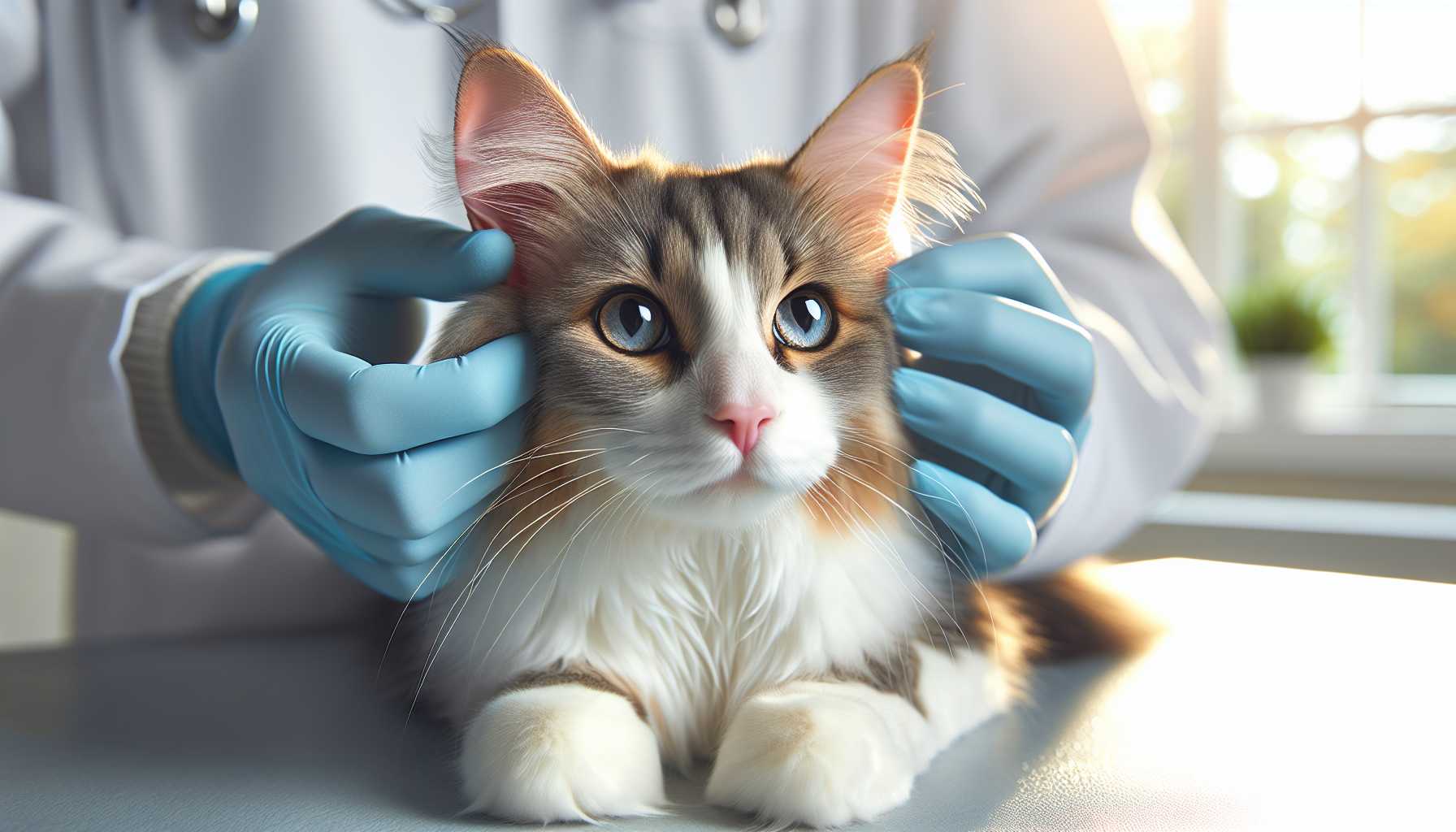
Is your fluffy feline incessantly scratching their ears? It’s important to keep those cute cat ears healthy and infection-free. If you’re a cat owner, understanding the symptoms and prevention techniques can spare your cat from discomfort.
Cat Ear Infections Explained
Those adorable pointy ears can unfortunately be prone to issues. Cat ear infections tend to occur when moisture, dirt, or little organisms settle comfortably in your cat’s ear canal. Picture it as a snug house, which has become a bit too warm and damp – just right for uninvited guests.
Noticeable Indications of Ear Infections
Be on the lookout for these unmistakable signs:
– Persistent ear scratching
– Shaking or tilting of the head
– A dark, wax-like discharge
– Foul smell from the ears
– Redness or inflammation
– Irritability when ears are handled
Practical Prevention Tips
Maintain Cleanliness of Ears
Regular cleaning is your greatest ally! Use cleaners designed specifically for cats and adhere to these steps:
– Clean them monthly (or as instructed by your vet)
– Apply gentle, veterinarian-approved products
– Never force any objects into the ear canal
Environmental Considerations
Foster a healthy surrounding:
– Ensure their sleeping spot is dry
– Regulate humidity in your house
– Regular grooming to inhibit buildup
Knowing When to Consult a Vet
Do not procrastinate if you observe:
– Continuous scratching
– Issues with balance
– Reduced appetite
– Behavioral shifts
Timely Detection Plays a Crucial Role
Just like us, our kitty companions recover quicker with early treatment. Incorporate ear checks into your weekly bonding time. Your cat will show their appreciation with some extra purring!
Tips for Home Care
Effortless steps for content ears:
– Examine ears every week
– Supervise their outdoor escapades
– Be aware of allergic reactions
– Make regular vet appointments a priority
Keep in mind, content ears equal a content cat! Stay attentive and stick to these preventive measures, and you can help your fluffy friend ward off the discomfort of ear infections.
If you’ve spotted any of these symptoms in your cat, don’t delay in talking to your vet – they’re there to help maintain those invaluable ears’ health.